
"Coming Home" is a journal chronicling my return to Vietnam beginning in 2001. It documents reunions with family, discrimination faced as a Viet Kieu teacher, reflections on the war, correspondence with readers, and the ongoing search for identity.
Table of Contents
- Sep 19, 2001 — Arrival in HCMC
- Apr 15, 2002 — Writing
- Apr 18, 2002 — Letter to ILA
- Apr 23, 2002 — Memories of Mother
- Apr 25, 2002 — Racism & Identity
- Apr 30, 2002 — Liberation Anniversary
- May 04, 2002 — War Remnants Museum
- May 05, 2002 — Saigon Pictures
- May 14, 2002 — Trade Embargo
- Nov 08, 2002 — From the Dhammapada
- Jan 29, 2004 — Education Standards
- Feb 04, 2004 — Operation Babylift
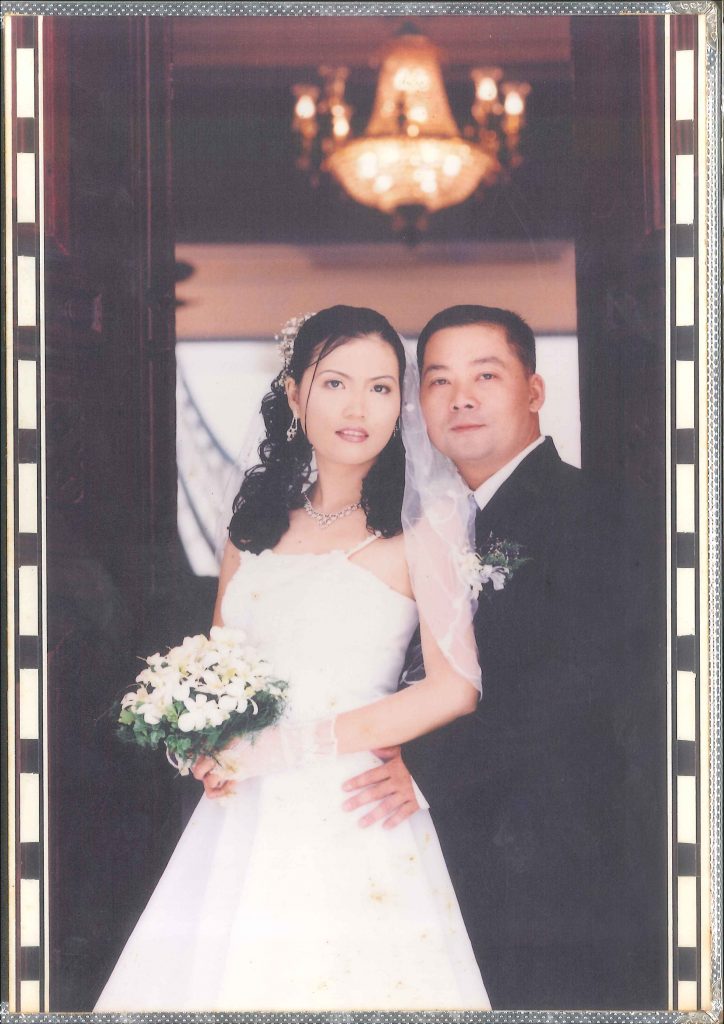
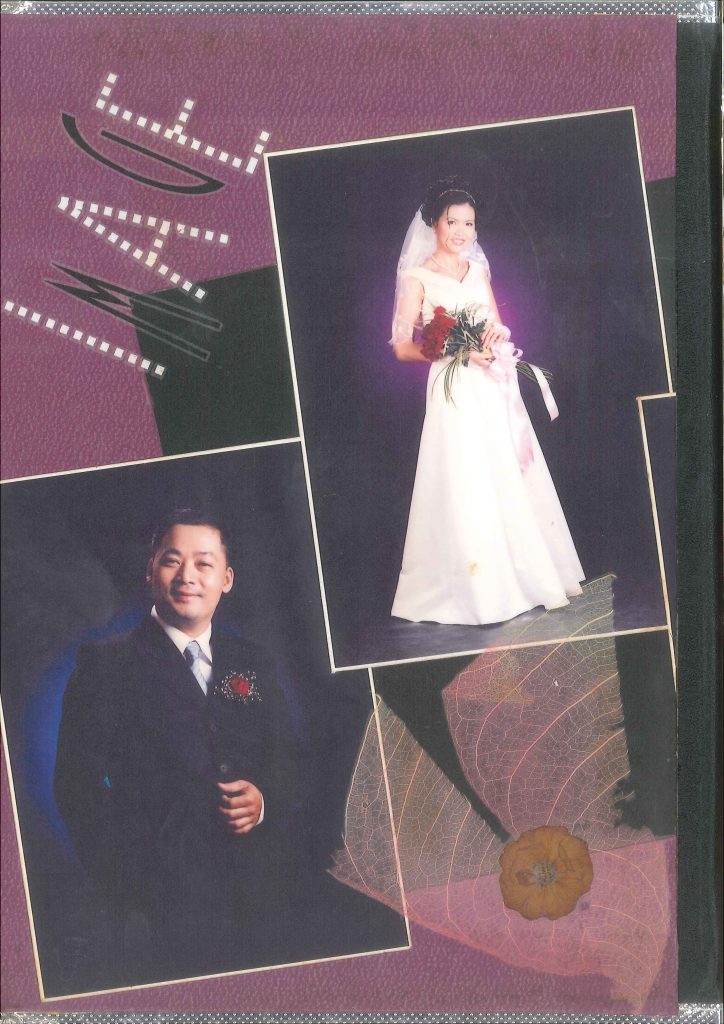
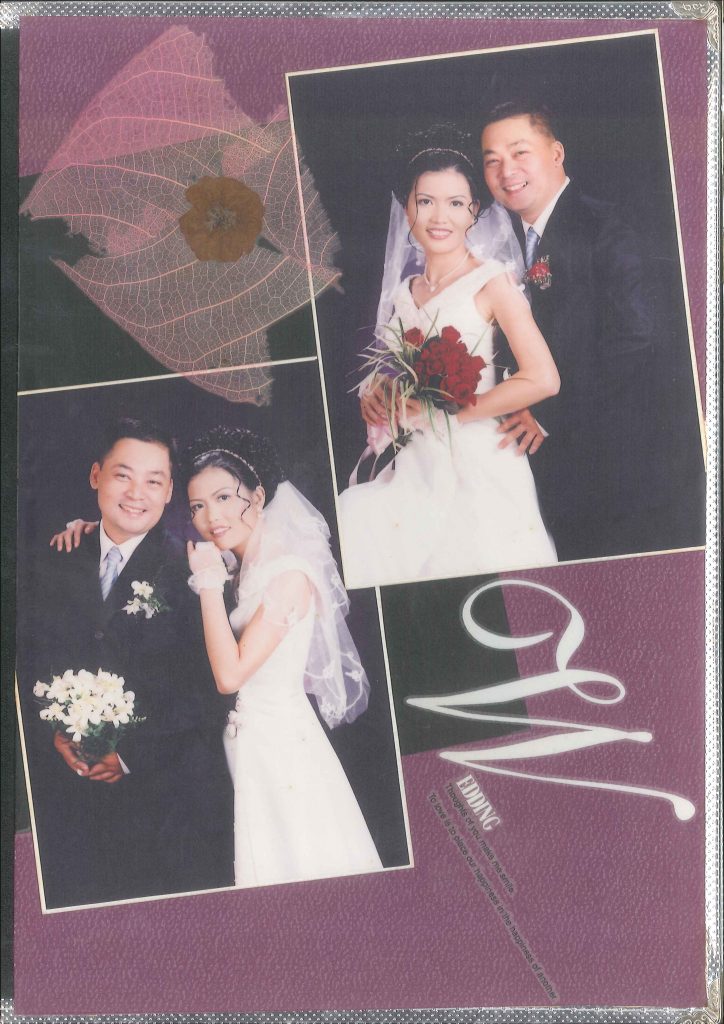
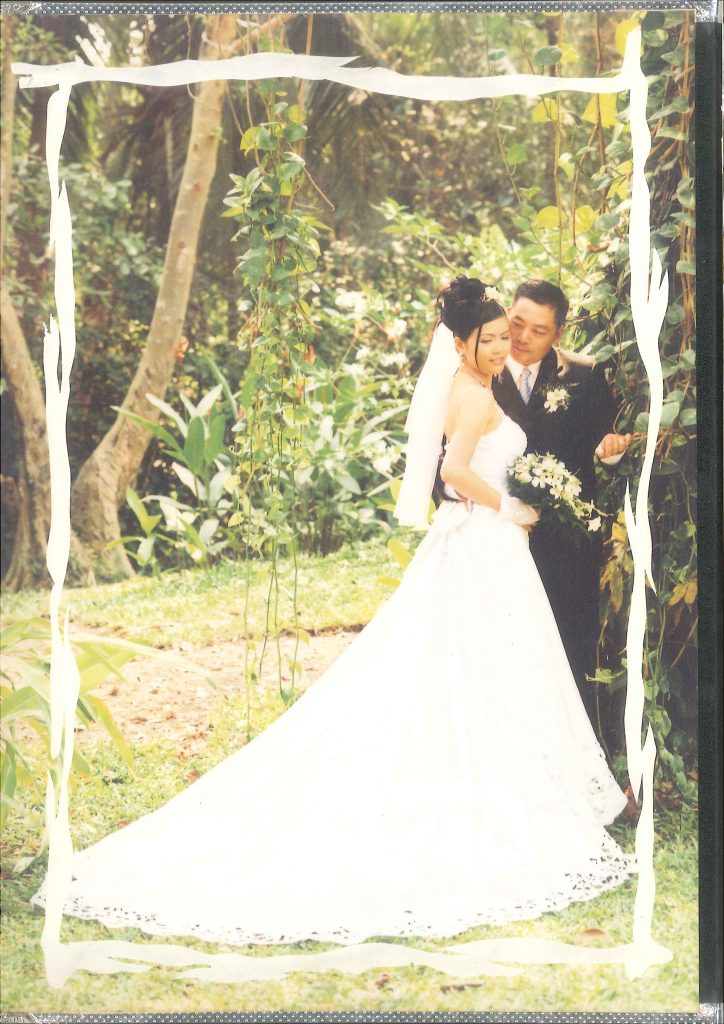
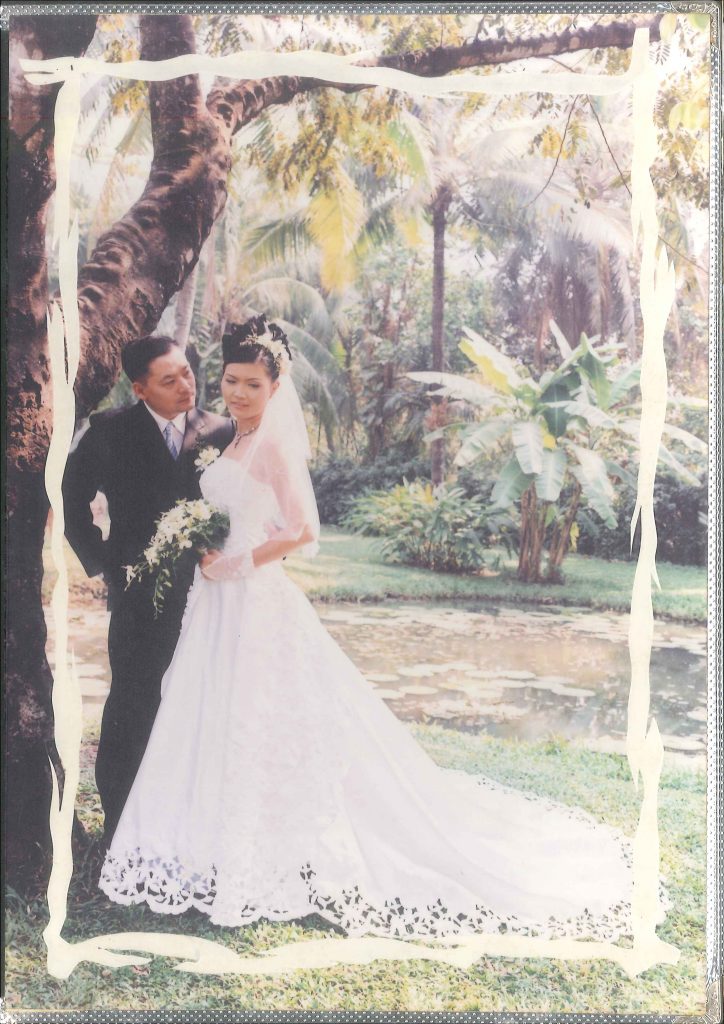
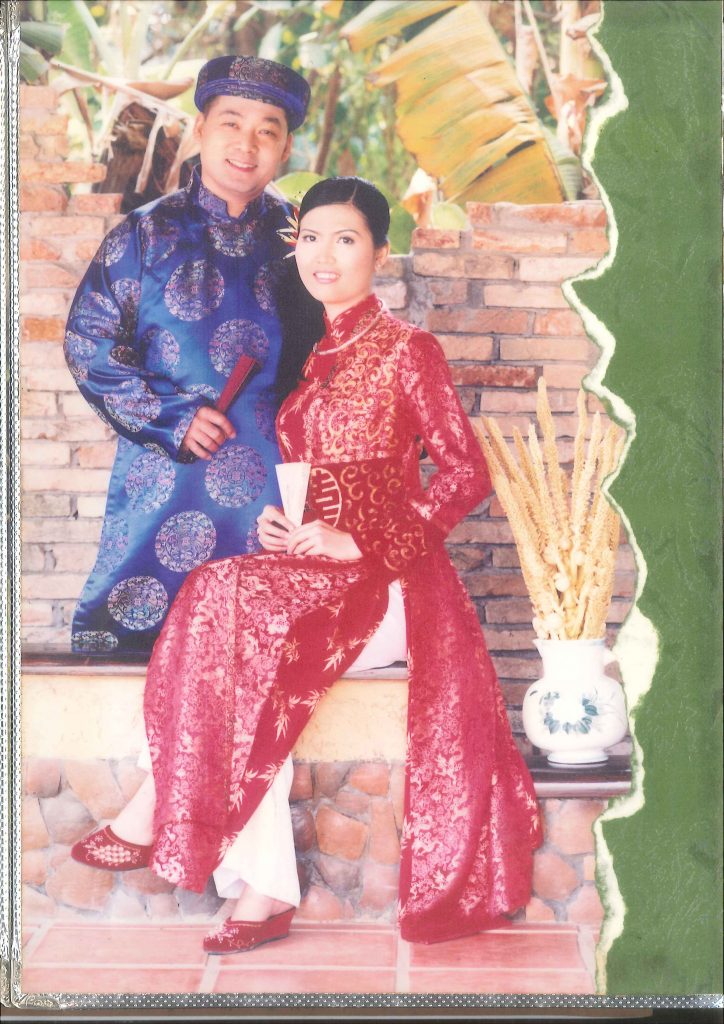
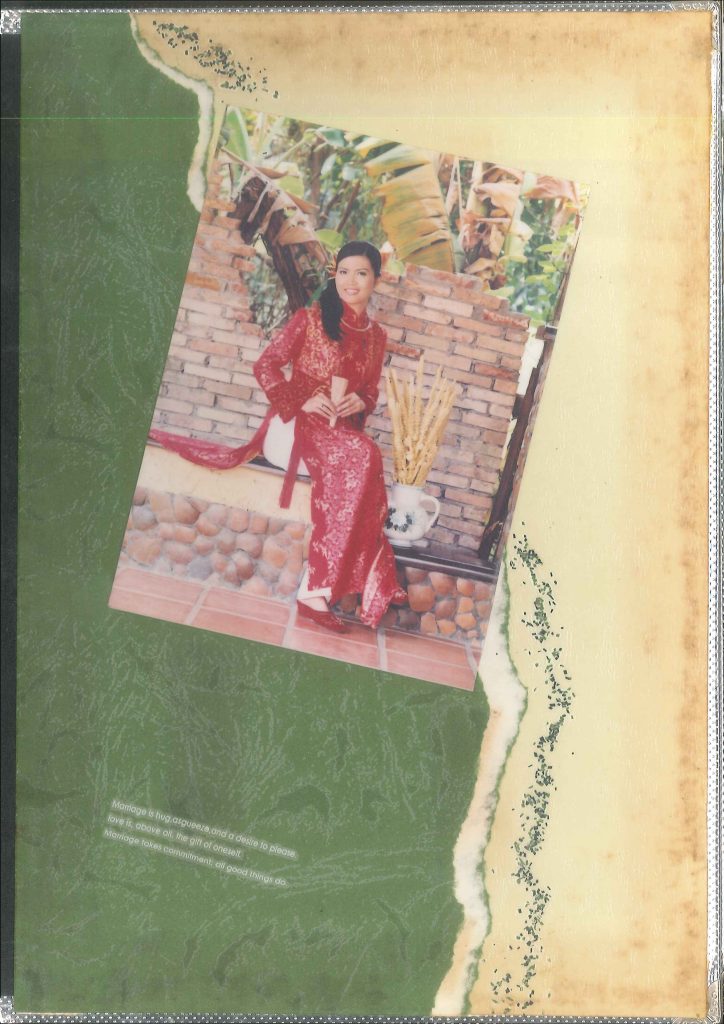
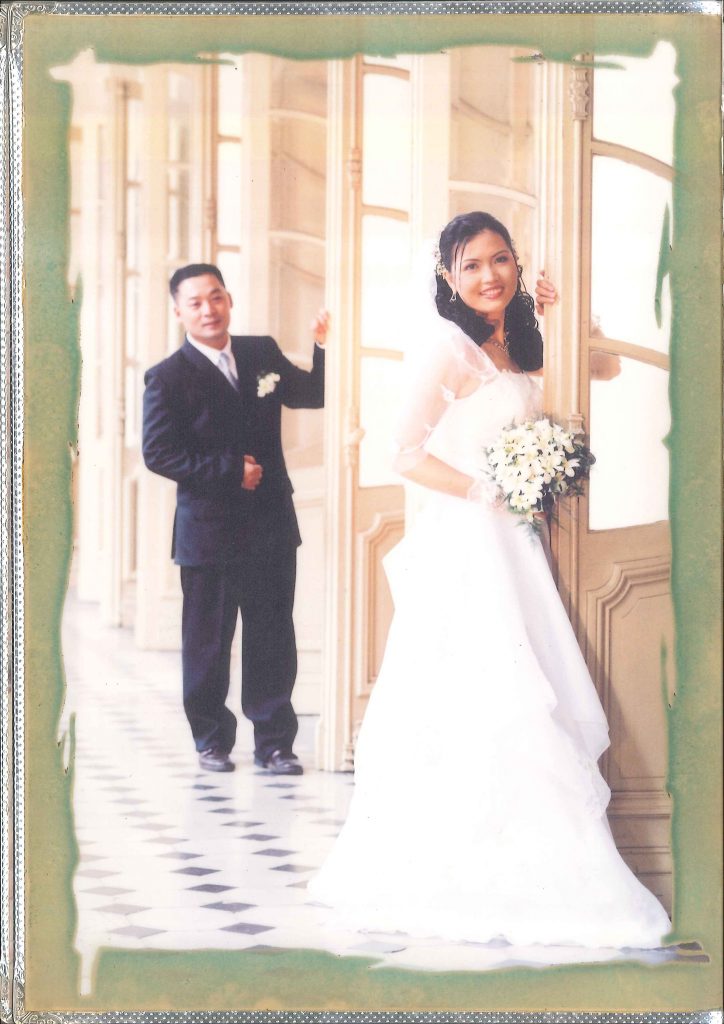
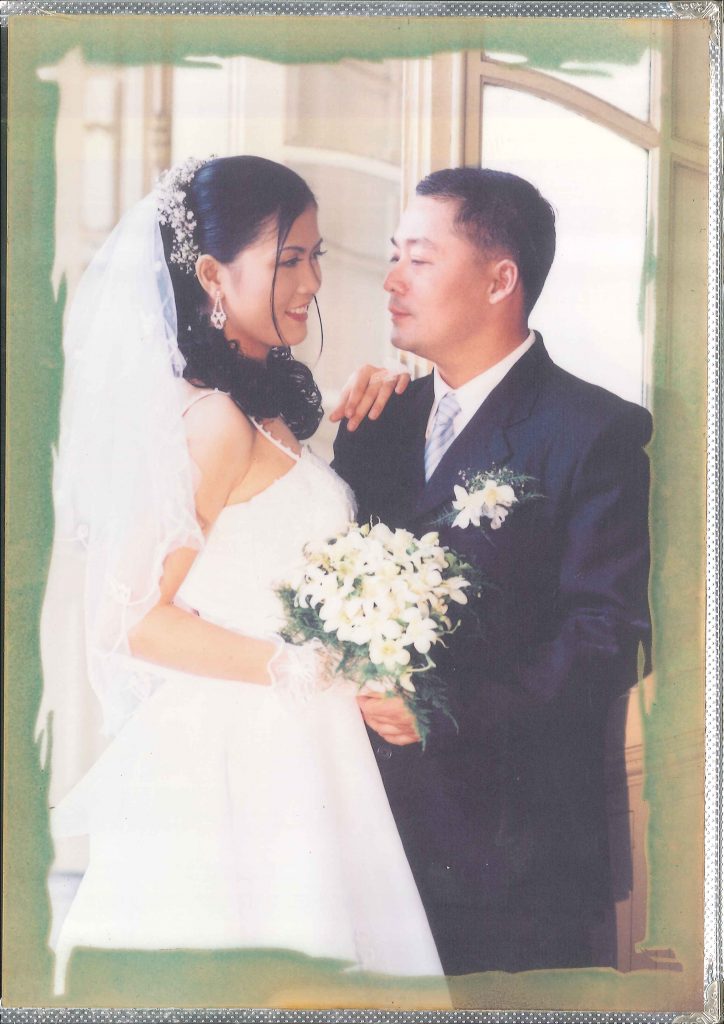
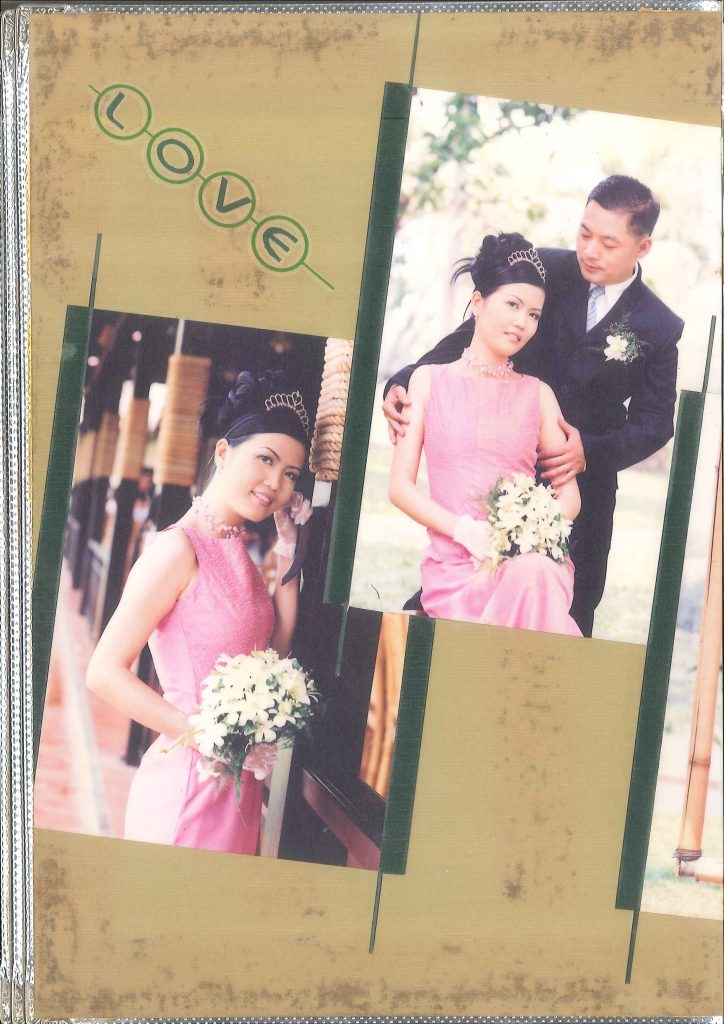
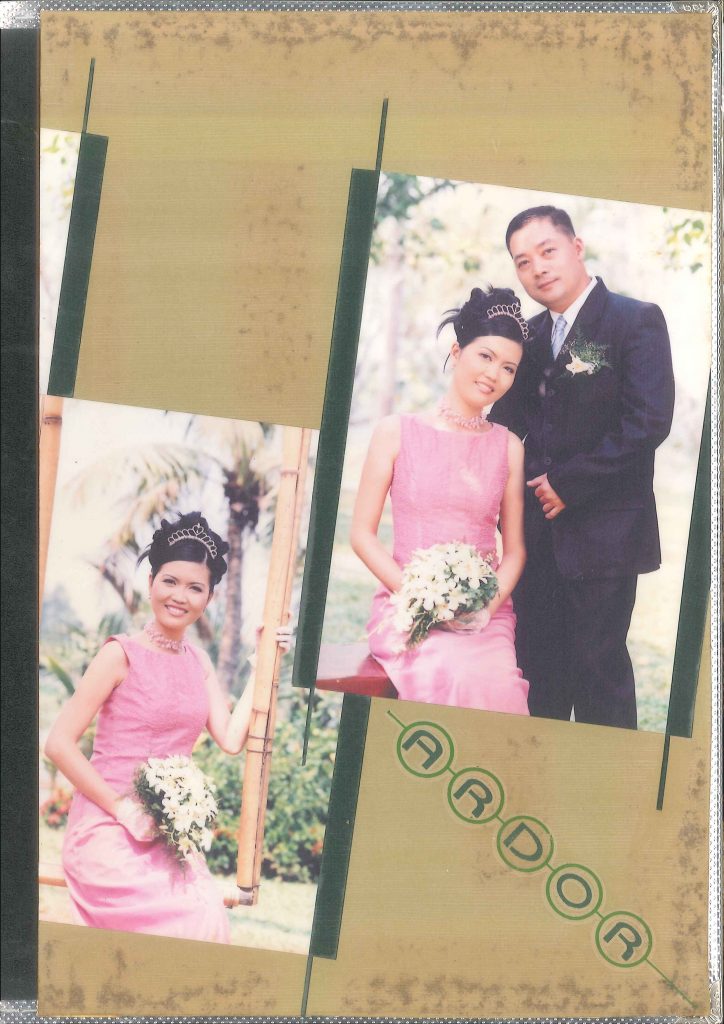
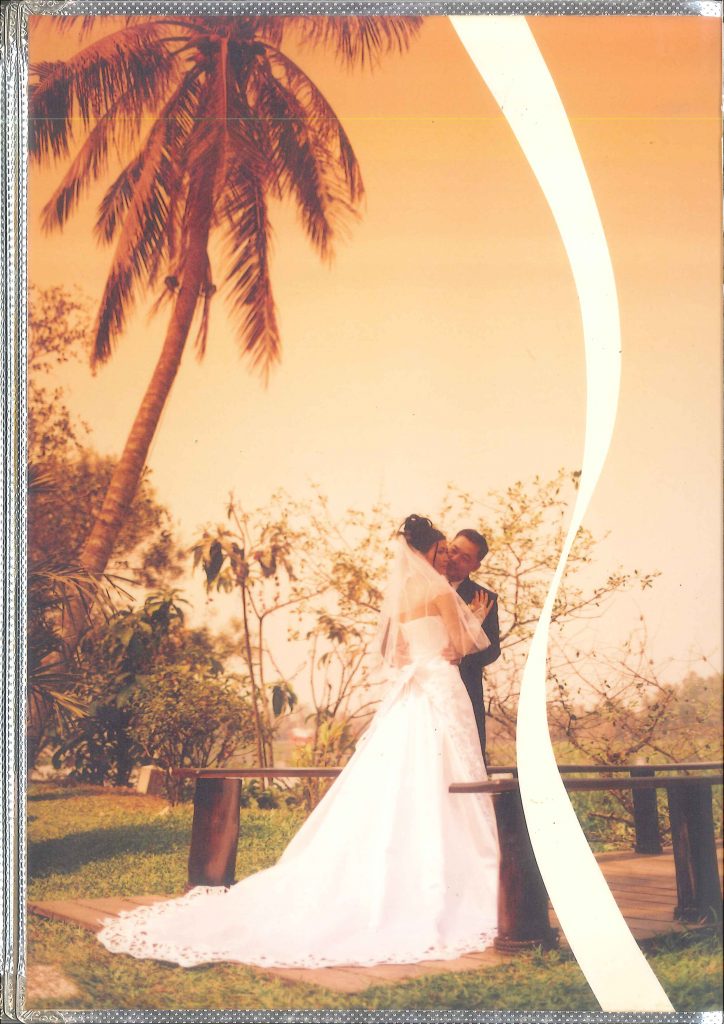
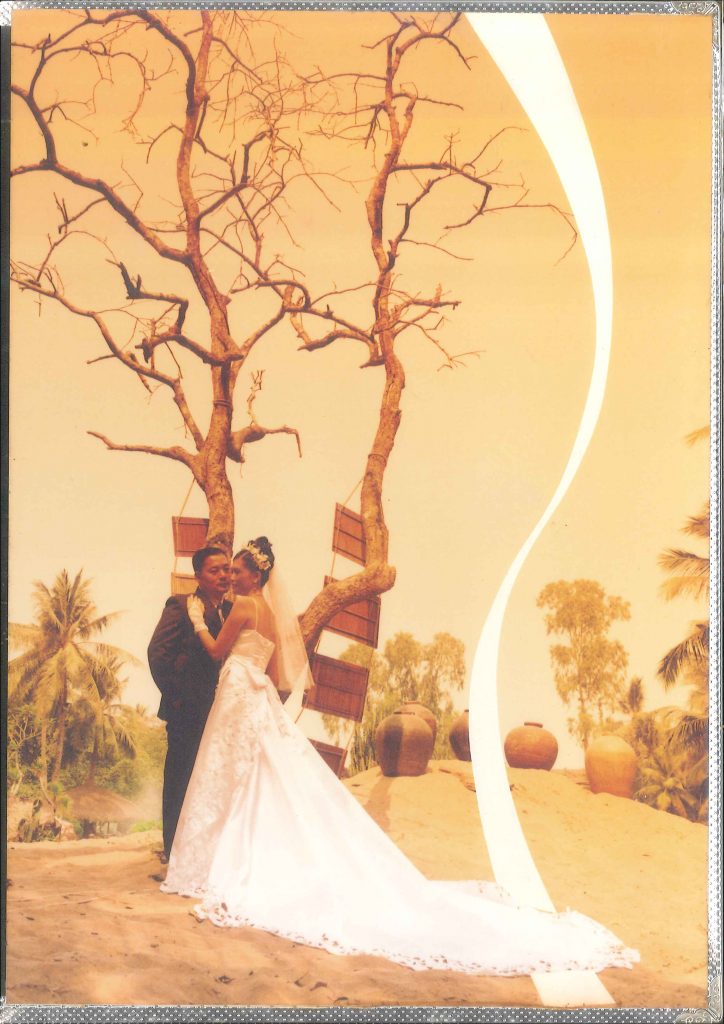
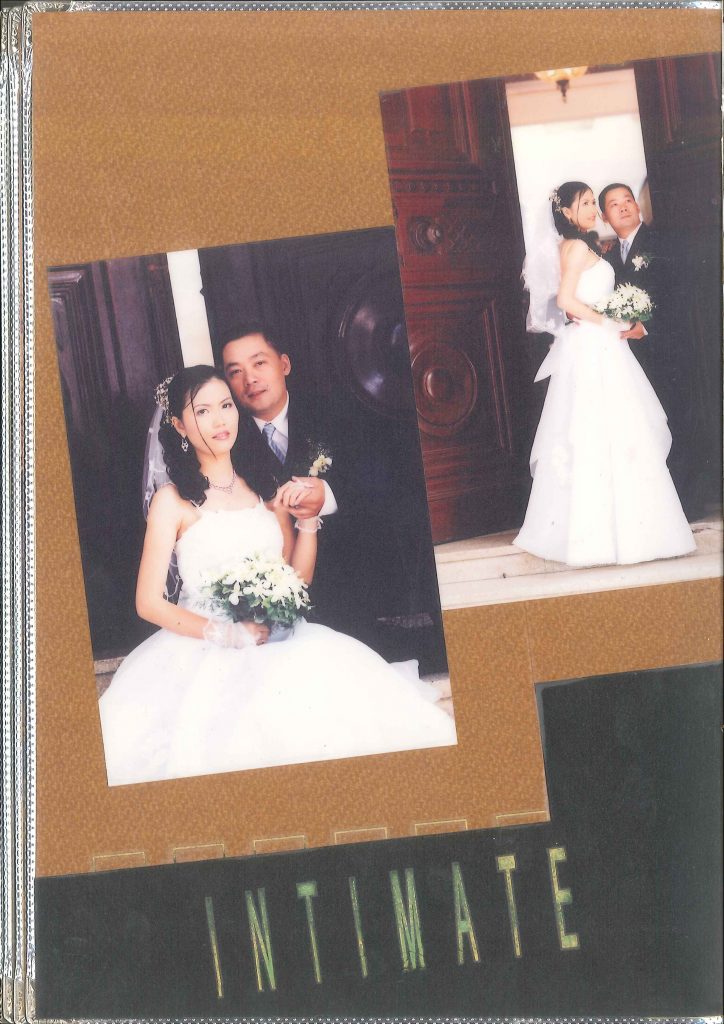
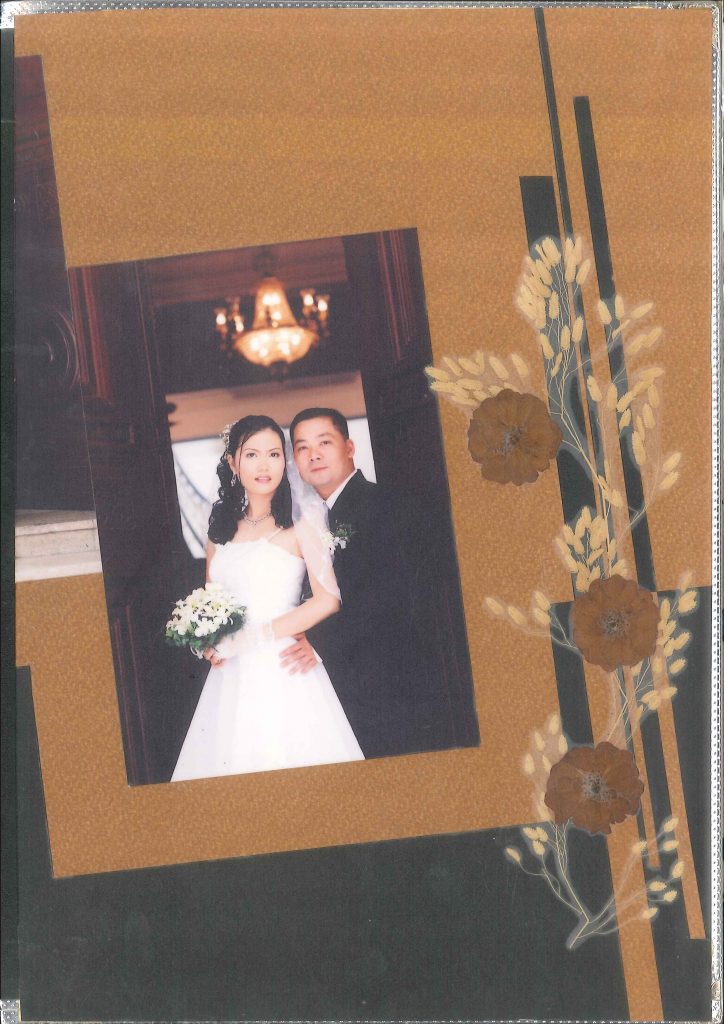
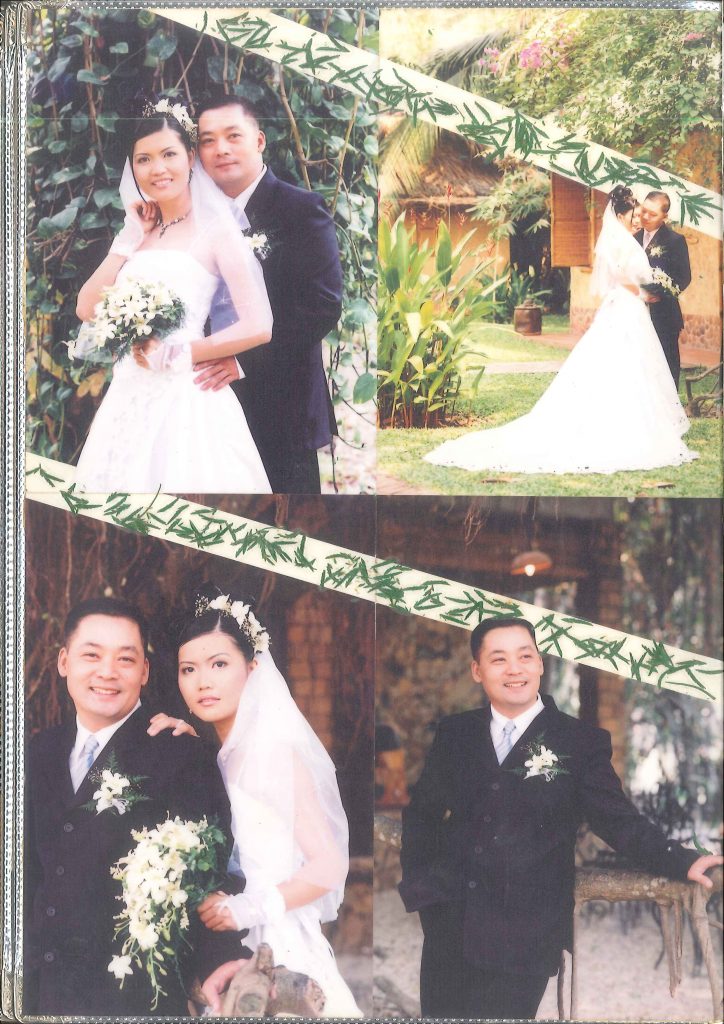
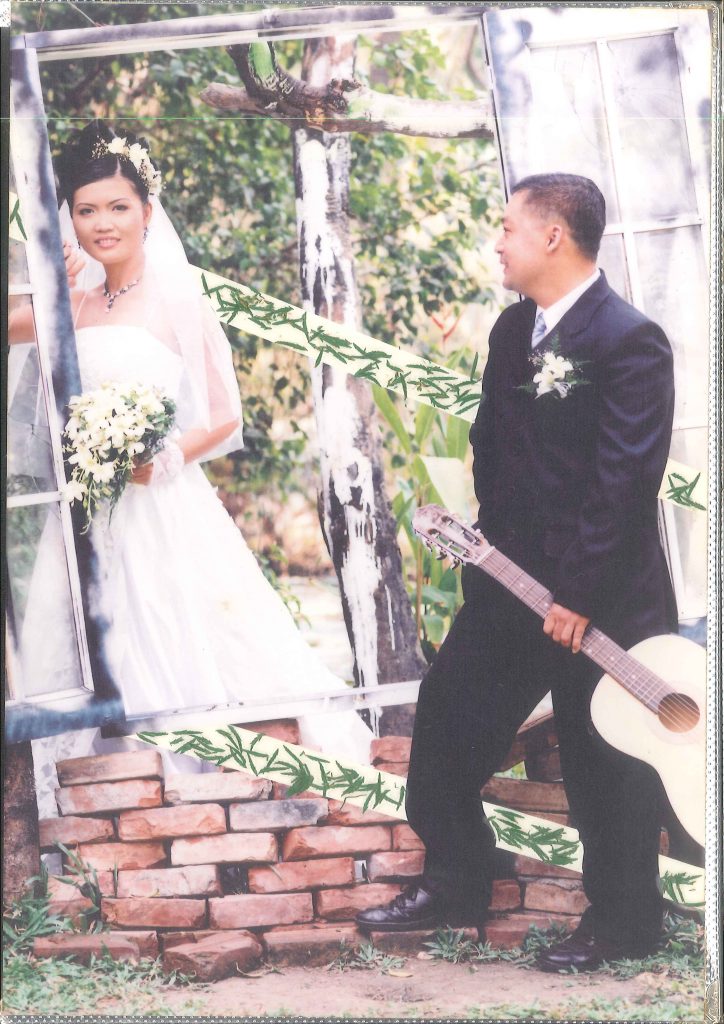
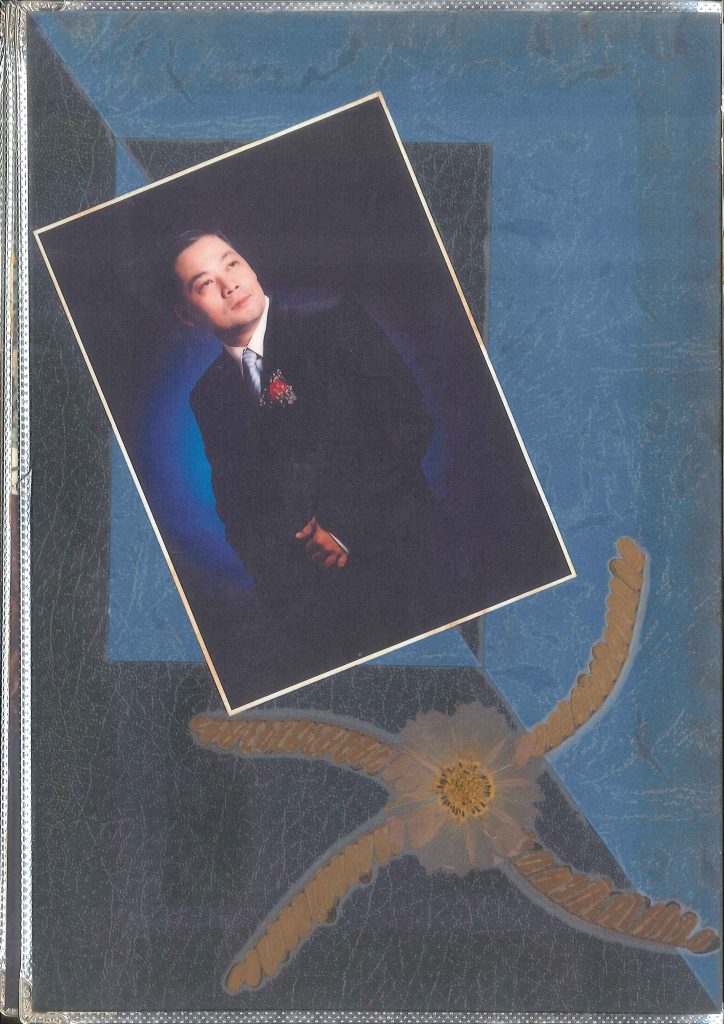
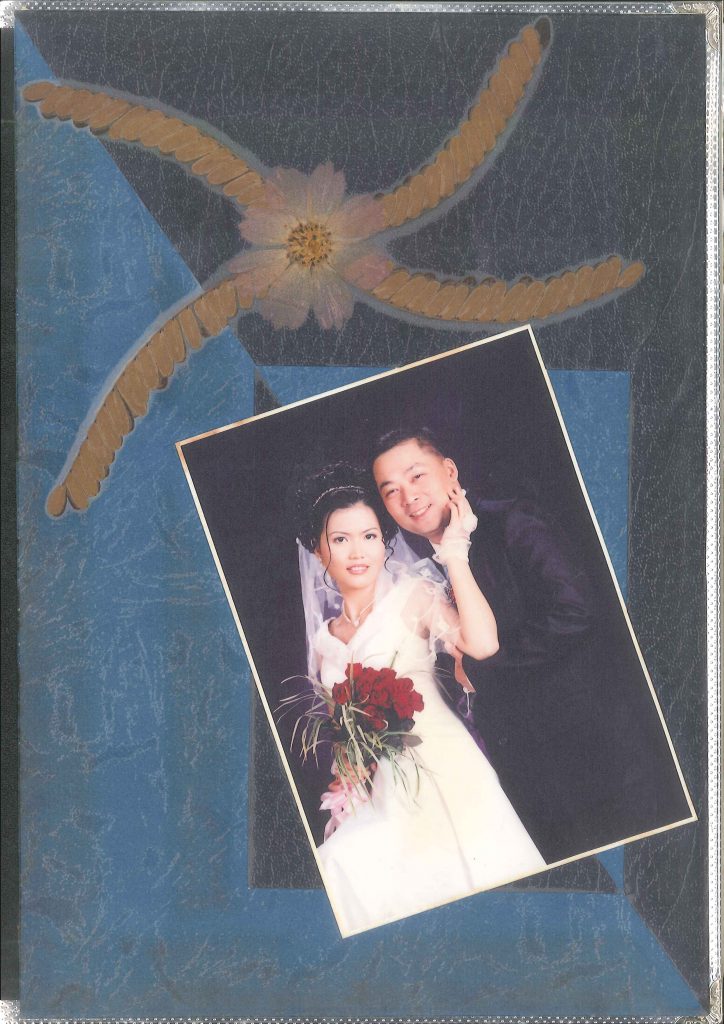
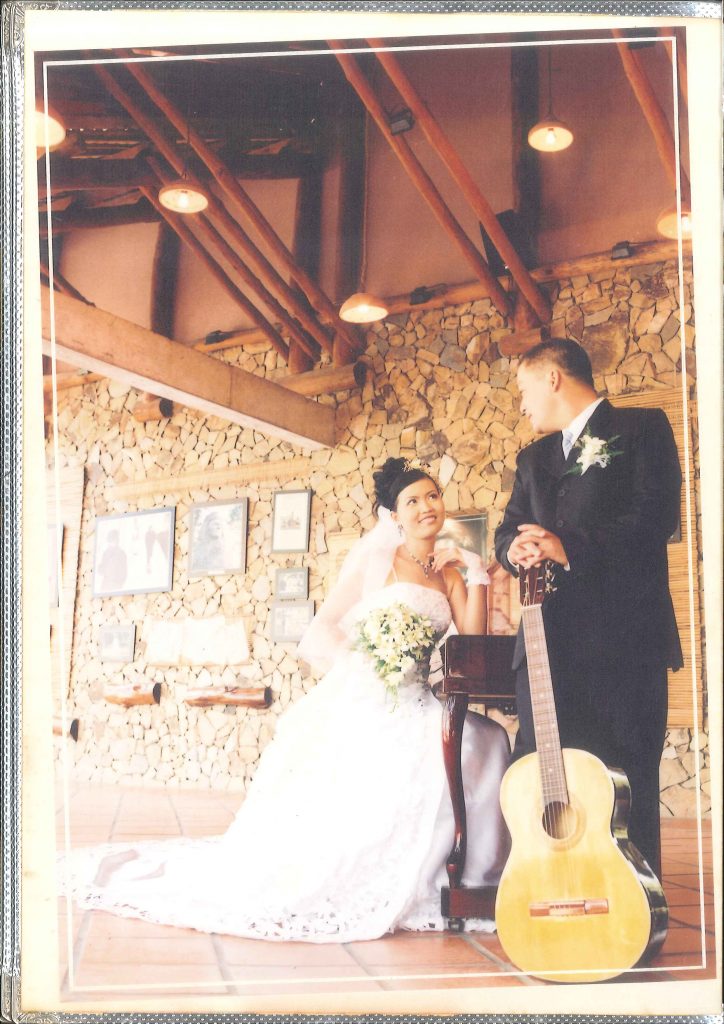
- Feb 21, 2004 — Wedding Pictures
- Apr 30, 2004 — Letter from an American Teacher
- A Response to the American Teacher's Letter
- Aug 16, 2007 — International Schools
- Aug 17, 2007 — Teaching in Vietnam
- Mar 22, 2008 — Sexual Exploitation
- Mar 23, 2008 — Criminal Records Search
- Mar 26, 2008 — Reading about Myself
- Dec 11, 2010 — PISA Test Scores
- Aug 30, 2026 — Final Entry
September 19, 2001
I arrived in Ho Chi Minh City on September 6, 2001. It was strange looking at the city from the airplane at night. The city lights were not like those of the West. They were of a different color, almost dreamy.
The airport was very modern, not much different from other airports of developed countries. I felt joy seeing that Vietnam is not as impoverished or backward as I thought. There was order in going through customs. People waited in lines, not fighting to get to the front of the line, like the Vietnam I remembered in my childhood.
I felt a little trepidation as I approached the customs official wearing a police uniform. He didn't say much as he inspected my U.S. passport and entry visa. I could read the expression of disdain on his face as he took some time inspecting my documents. I could tell he was thinking of me as a typical Viet Kieu (Overseas Vietnamese) who left Vietnam for a better life. So I said, "I left Vietnam in 1975, before the liberation of Saigon, and I am glad to see the airport is so modern." He curtly replied in the form of a question, "If not better, then what?" That was the extent of our conversation. I thanked him then proceeded to the baggage claims area.
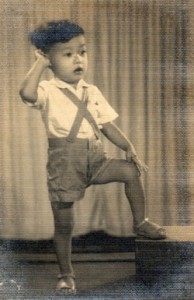
Some of the pictures of my childhood, and of the time I spent in the United States, I found looking through my mom's photo album.


April 15, 2002
I didn't have any motivation to do any writing since my mother's passing on October 1, 2001. However, I plan to continue with the writing and updating of this website on a regular basis from now on.

April 18, 2002
Dear Mr. Mark Godwin,
I received your telephone call this morning in regard to your reasoning for not hiring me as a teacher at the ILA branch in Ho Chi Minh City, Vietnam. During your phone call, you stated the following reasons for not hiring me:
1. I am not a native speaker.
2. I don't have English as a Second Language training.
First of all, I want to point out that your reasons are mere excuses designed to hide the fact that your school practices racial discrimination. Specifically, your school discriminates against Vietnamese teachers, including Overseas Vietnamese.
In regard to the phrase "native speaker," I am sure you are well aware of the fact that different countries speak English differently. For example, the British speak English quite differently compared to the Americans. Furthermore, even within a country such as the United States, African-Americans speak English differently compared to whites, or shall I say "European-Americans." Thus, there is no such thing as a "native speaker," since that phrase implies there is one correct way of speaking English.
By the way, are you aware of the fact that both Henry Kissinger, the Secretary of State under the Nixon administration, and Madeleine Albright, the Secretary of State under the Clinton administration, are both immigrants who emigrated to the United States? Kissinger was fifteen years old when he arrived in America; Albright was eleven. To you, they are both native speakers simply because they are white.
Secondly, in regard to not having English as a Second Language training, I would like to remind you that English is my second language. I am perfectly bilingual in both languages: English and Vietnamese. Moreover, I was a schoolteacher in the United States, and my students were both Americans and immigrants. In fact, it would be reasonable to make an assumption that an educated Overseas Vietnamese would make a better teacher by far, in comparison to white foreigners, since he or she has intimate knowledge of both languages and cultures.
I think the evidence would be conclusive in that your school discriminates against Vietnamese teachers. There is not one single Vietnamese teacher, including Overseas Vietnamese, on your staff. I even have knowledge of an individual who was not even considered for an interview because she is Vietnamese.
I am reasonably certain that most of your teachers don't even have a college education. What they have is a one-month training, at the most, on how to teach English. Do you think that would even approach the criteria of being a competent teacher?
Sincerely,
Tuan Tran
April 23, 2002
When I was twelve years old, I went to live with my grandmother. When I was fourteen years old, I left for the United States. I left my family when I was too young, so I really didn't know my parents very well. I mean I didn't know about their personalities or characters as individuals.
I had about three weeks with my mother before she suddenly passed away. It wasn't long enough for me to know her. But I am comforted by the knowledge that she did love me. You see, she was looking intently at the two pictures of my childhood which I posted on this website, and unbeknownst to her, I was watching her facial expression as she was looking at my pictures and describing me as a child.
I don't have many memories of my childhood. The longer I am staying in Vietnam, though, the more I remember of my childhood. One day I was looking at the ceiling and I saw a gecko eating mosquitoes, and I remembered I used to watch geckos capturing and eating mosquitoes with their very quick movements. I also remember I used to look at the clouds in the sky — the deep blue sky and the swirls of the white clouds that would resemble whatever my imagination would conjure up at the time.
April 25, 2002
I used to smile a lot. I don't think it was by any coincidence that I lost my smile when I was in my thirties. It was around this time when I discovered racism in the United States, and I understood that I would never be totally accepted by mainstream American culture, or shall I say the Euro-centric American culture.
I also realized that even if I had children and they were born in the United States, my children would not be accepted by mainstream America due to the fact that they are not white. Which reminds me of the lines from the famous "I Have a Dream" speech by Martin Luther King Jr.: "I have a dream that my four children will one day live in a nation where they will not be judged by the color of their skin but by the content of their character."
I understood that America is a lie. Moreover, anyone decent and charismatic enough to challenge the status quo would be assassinated. For instance: Abraham Lincoln, Martin Luther King Jr., Malcolm X, John F. Kennedy, and Robert F. Kennedy.
Well, I really should be writing about Vietnam, but I can't help it. I am very happy being in Vietnam. I find myself smiling again, and I notice that people here don't treat me like an outsider. I don't detect any of the discrimination I experienced in the United States.
April 30, 2002
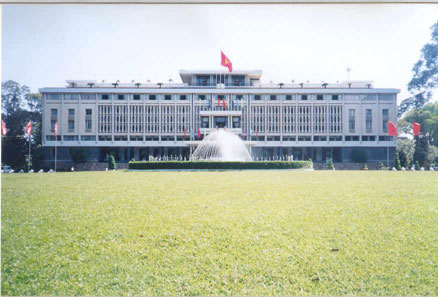
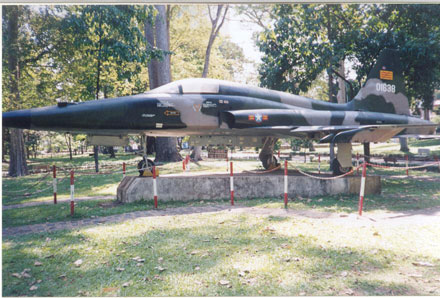
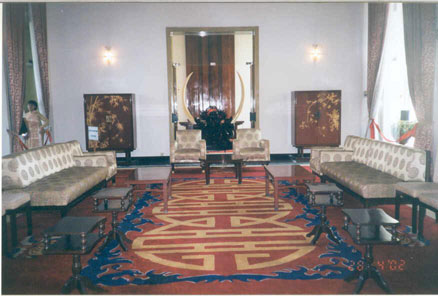
I am writing this entry and including the photographs in commemorating the 27th anniversary of the liberation of South Vietnam, on April 30, 1975.

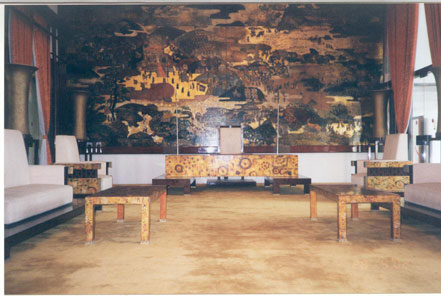
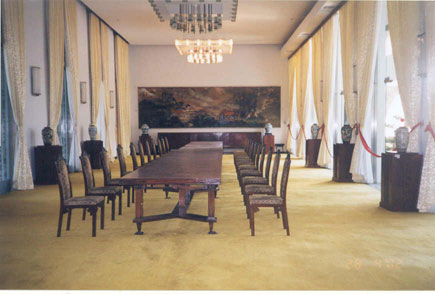
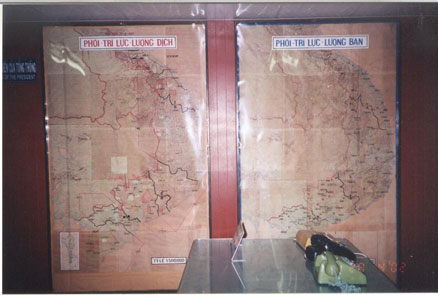
May 4, 2002
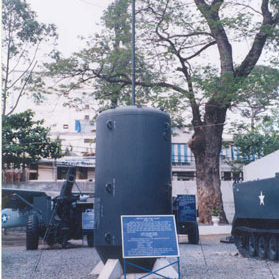
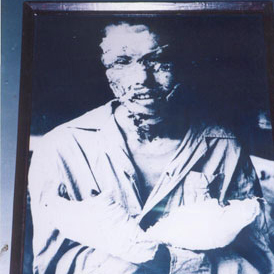
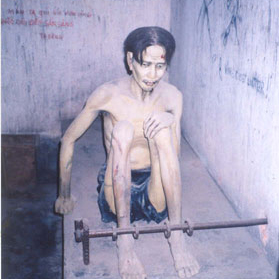
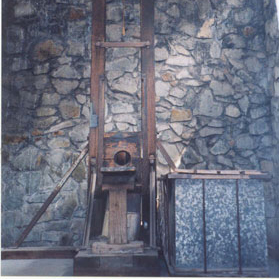
I visited the American War Crimes Museum today (renamed the War Remnants Museum in 1995). The pictures confirmed what I discovered through my research about the Vietnam War while living in the United States.
I am haunted by the images of the suffering. Sometimes I would see images of the people being burned by napalm, of the people being tortured by having long nails driven into their skulls, of the people being tortured by electricity and being thrown out of helicopters, or of children being shot while in their mothers' arms. I tried to comprehend how anyone could do these things, and why the Americans have so much hatred toward the Vietnamese people.
I talked to the Vietnamese people here about the Vietnam War, or the American War as it is called here. I am astounded by the lack of hatred the Vietnamese people feel toward the Americans, and I am amazed by their kindness and their forgiving nature. I think it must be rooted in their belief about karma.
But I am not as nice and forgiving as the people in Vietnam. I lived in America for so long, therefore I can't help but pick up some of the American values.
Some of the statistics from the American War: approximately 2.2 million American males were drafted, with 543,400 soldiers in Vietnam at the peak in 1969. The United States dropped approximately 7.5 million tons of bombs on Vietnam, Laos, and Cambodia — more than three times the amount dropped by the U.S. during all of World War II. Approximately 75 million liters of herbicides, including Agent Orange, were sprayed in Vietnam. Over 22,000 corporations were directly involved in producing war materials.
The impact on the Vietnamese people was devastating, with approximately 3 million Vietnamese people killed, and another 4 million injured.
Note: According to the Vietnamese government's official 1995 statistics, approximately 2 million civilians on both sides and 1.1 million military personnel were killed. The U.S. military estimates 200,000–250,000 South Vietnamese soldiers killed. The Vietnamese government estimates up to 4 million people were exposed to Agent Orange, with as many as 3 million suffering illnesses and approximately 500,000 children born with birth defects.
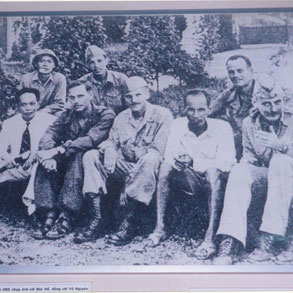


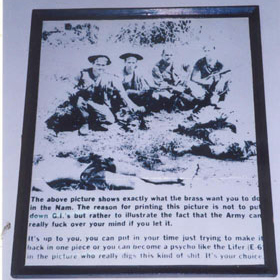
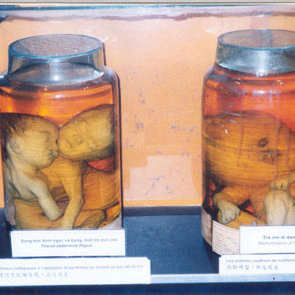
May 5, 2002
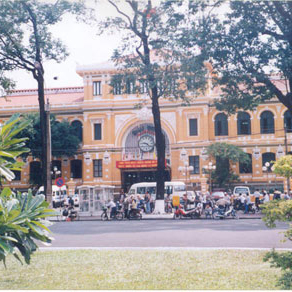
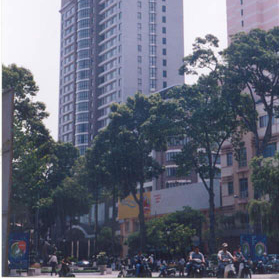
Le Loi street is the main street in the center of Ho Chi Minh City. This is where all of the big hotels and old buildings are located.
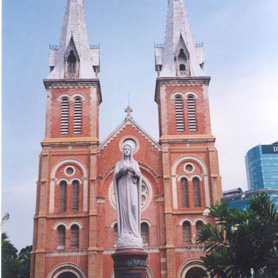
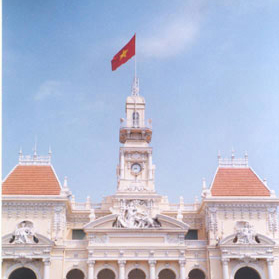
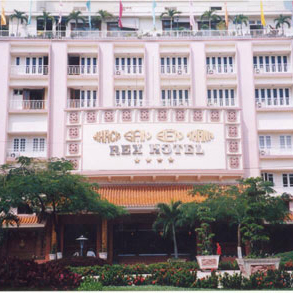
May 14, 2002
Vietnam is developing very quickly. There are construction sites going on everywhere. After the war, America used its influence worldwide to impose an economic embargo against Vietnam. The reasoning for not normalizing relations with Vietnam was the "fantasy" that Vietnam still held American soldiers in prison. In addition, the United States wanted a full accounting of the missing in action (MIA). The truth is America wanted to punish Vietnam for winning the war.
It was only about five years ago that America lifted the embargo and normalized relations with Vietnam. Corporations in the United States exerted their political influence to press for normalizing relations with Vietnam, since a lot of other countries were doing business in Vietnam, and American corporations wanted to cash in on an emerging market.
Vietnamese are ancestor worshipers. In fact, deceased family members are worshiped as well. Therefore, it is very important for the Vietnamese people to know for sure if a relative had died. During the war, the Americans dropped such gigantic bombs that Vietnamese soldiers often disintegrated. To this day, there are appeals every day on television for help locating missing soldiers.
November 8, 2002
Hate is conquered by love.
This is an eternal law.
January 29, 2004
A report to the CSU's Board of Trustees (a governing body for the California State University system) found that more than 48 percent of the 38,086 first-time freshmen entering in the 2003 fall semester failed to meet English proficiency requirements, while 40 percent were not even ready for introductory math.
Remember, these college freshmen have already graduated from high school and have been accepted to a university. Their level of education (high school graduate) is about the same as most of the white American teachers teaching English in Vietnam.
It is no wonder why more than half of the Vietnamese students in Vietnam failed the English proficiency test such as the TOEFL, which is a requirement to study overseas, even after studying for years at expensive private English schools with foreign teachers, such as Hoi Viet My (Vietnam-USA Society, English Language Center).
February 4, 2004
This journal entry is dedicated to the adopted children of Operation Babylift. Many of these adoptions lacked the consent of the parents, who never intended to give up their babies.
Excerpted from Doonesbury by Garry Trudeau:
May 5, 1975
You're the last orphan baby out of Vietnam!
And an important symbol of hope for the free world!!
Yeah, yeah…
You've got a whole new life ahead of you — a new family, a new home, and probably even some pretty new name like… like… Abigail.
"ABIGAIL?!"
What kind of name is that for a war victim?!
May 8, 1975
Mrs. Rosenthal, aren't you and your husband just trying to atone for our collective national guilt through individual action?
What an awful, CYNICAL thing to say! How could you… you think… think that…
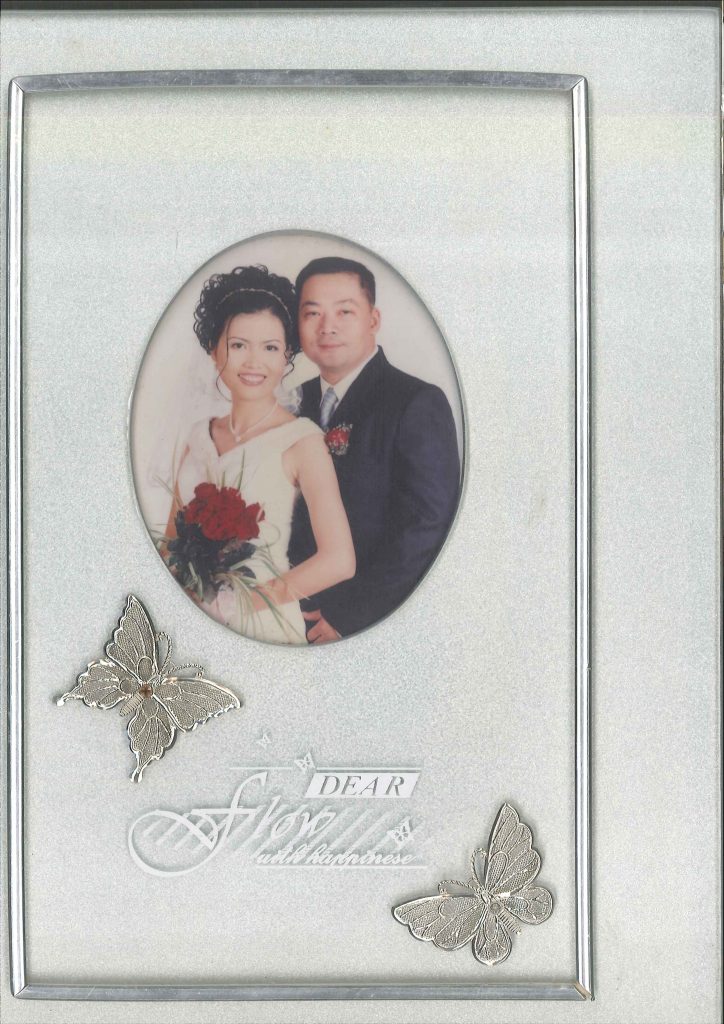
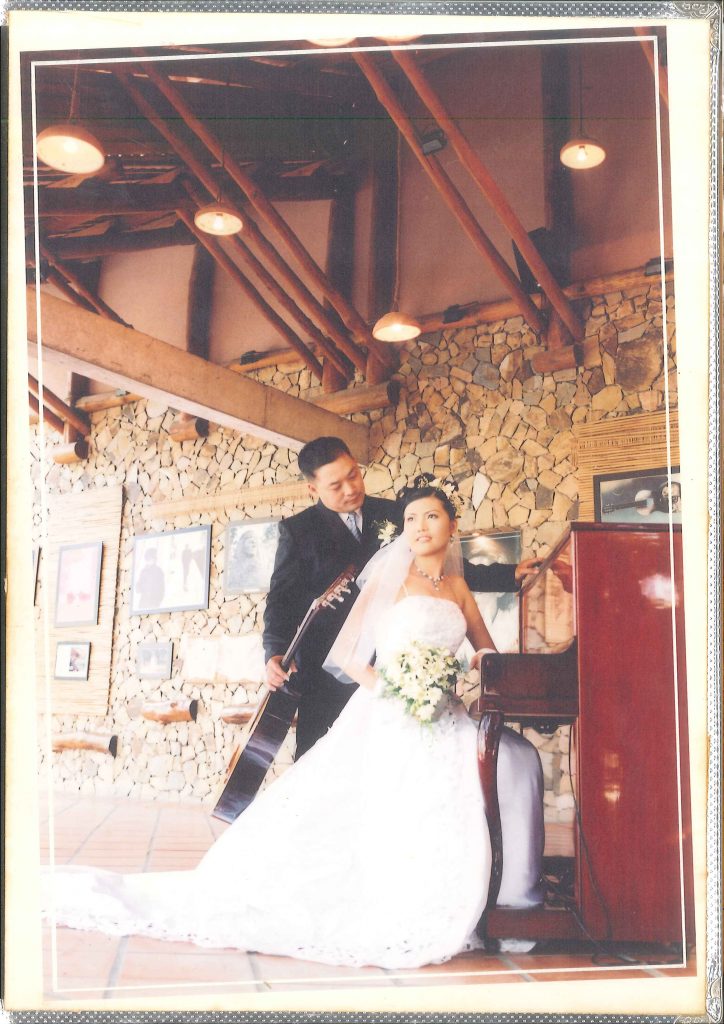
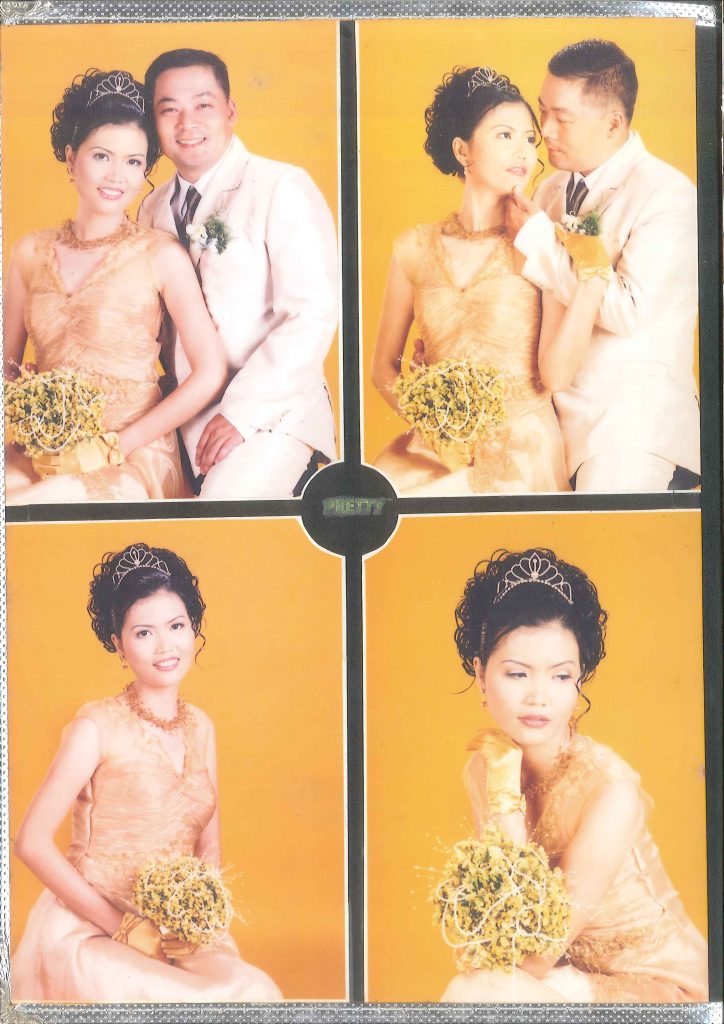
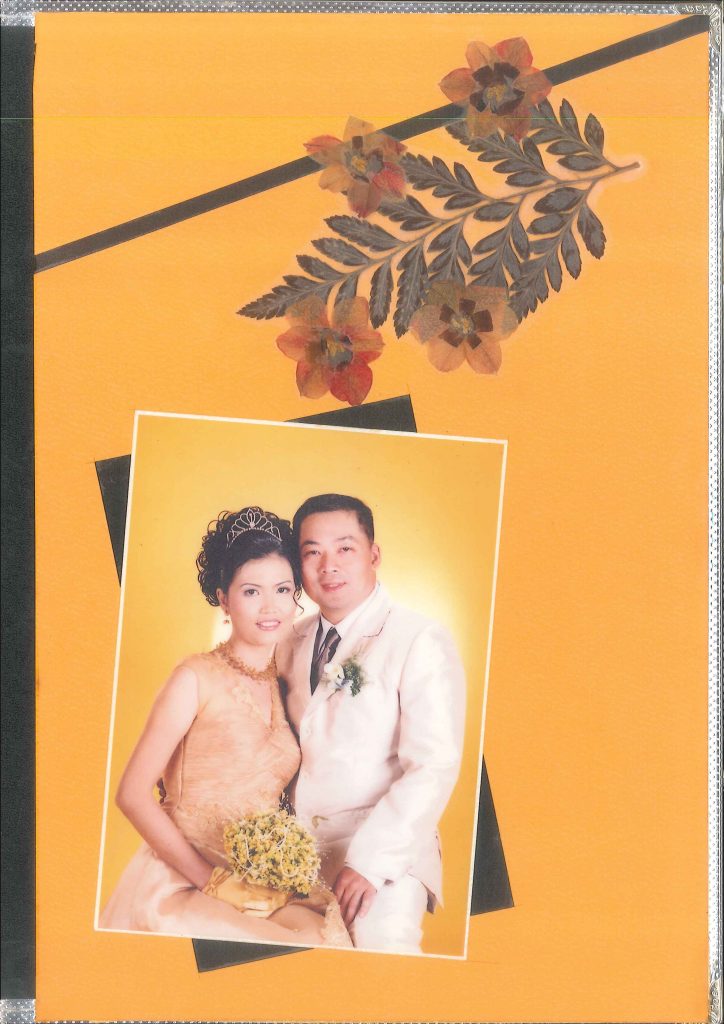
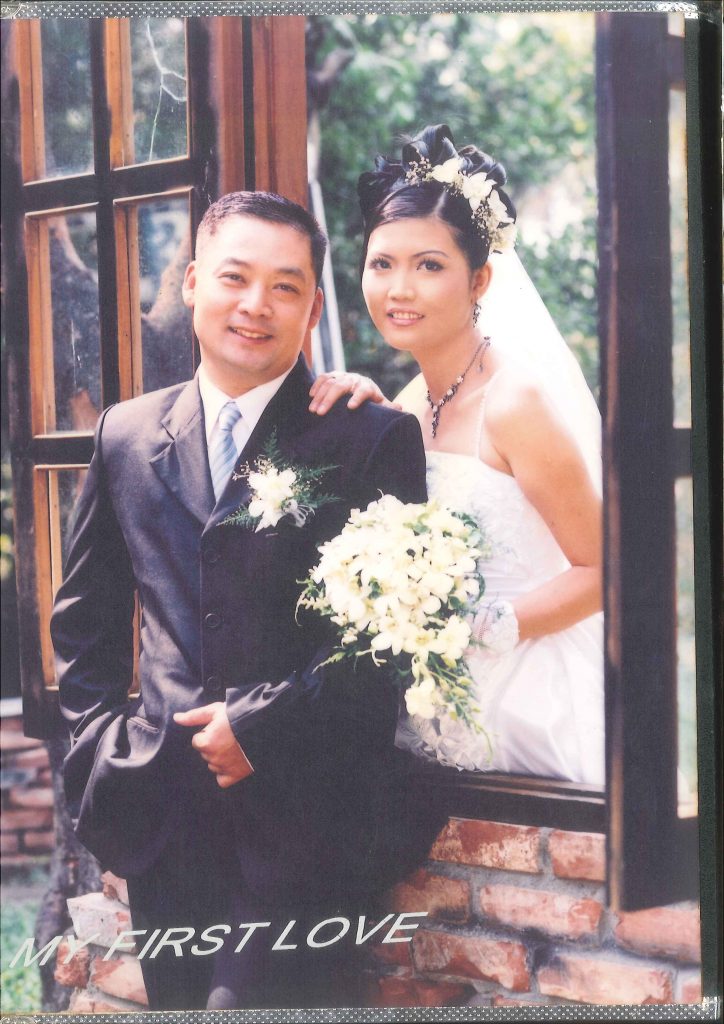
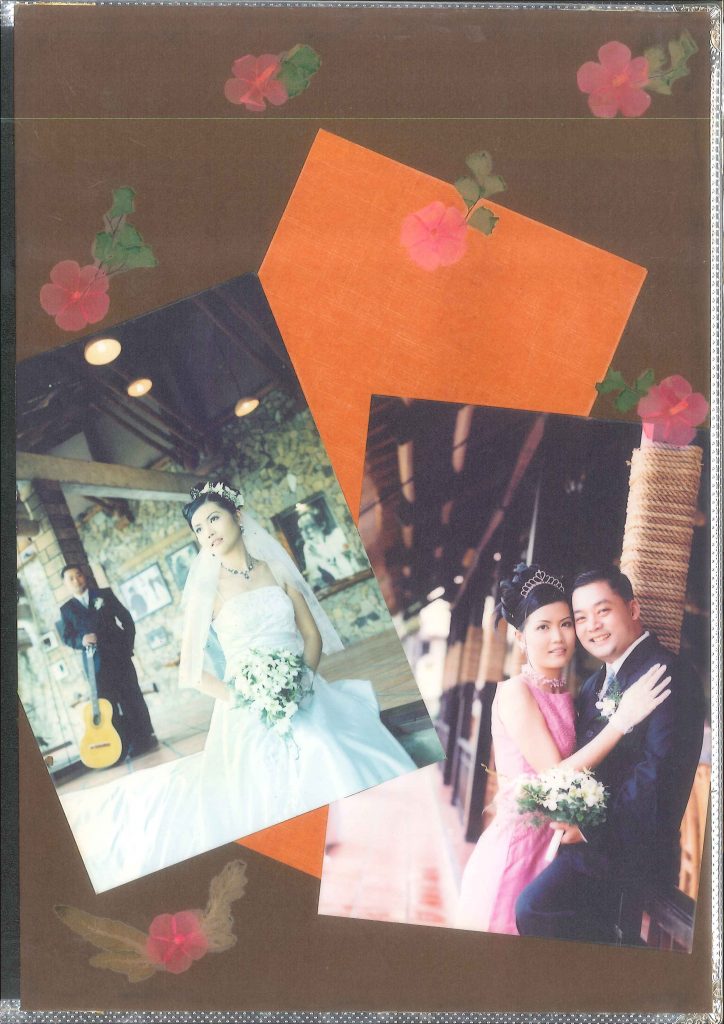
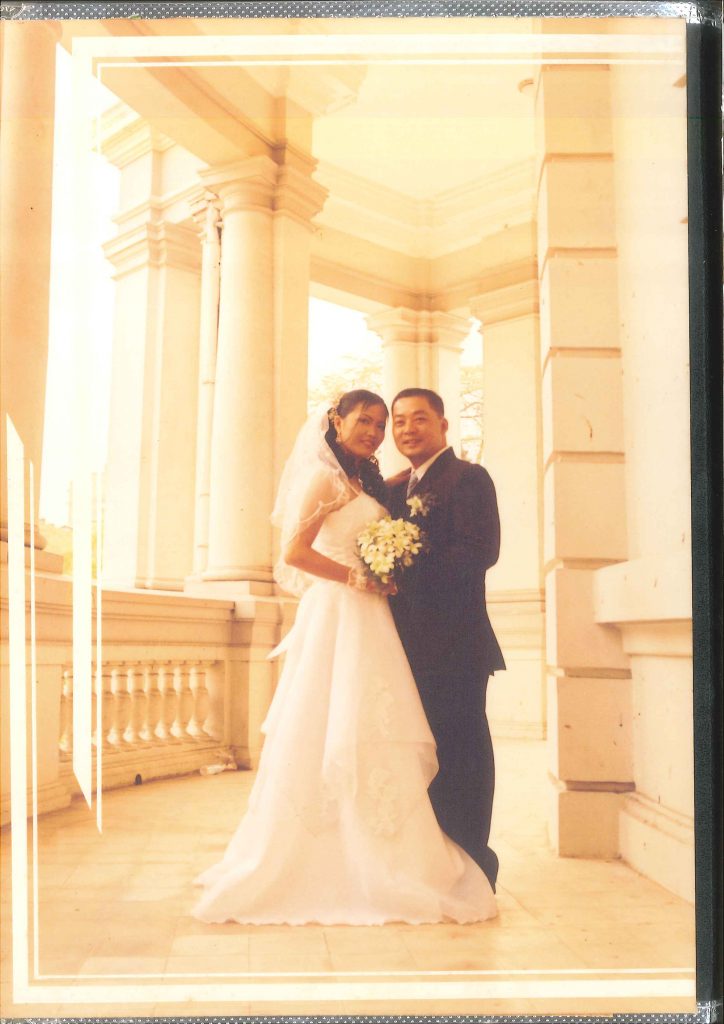
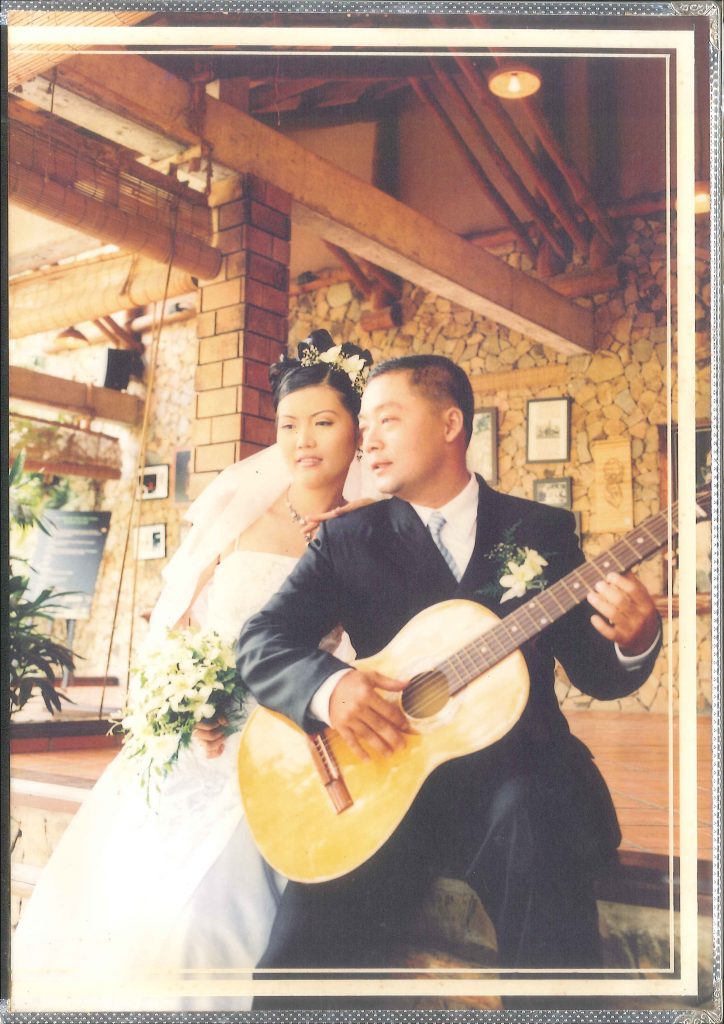
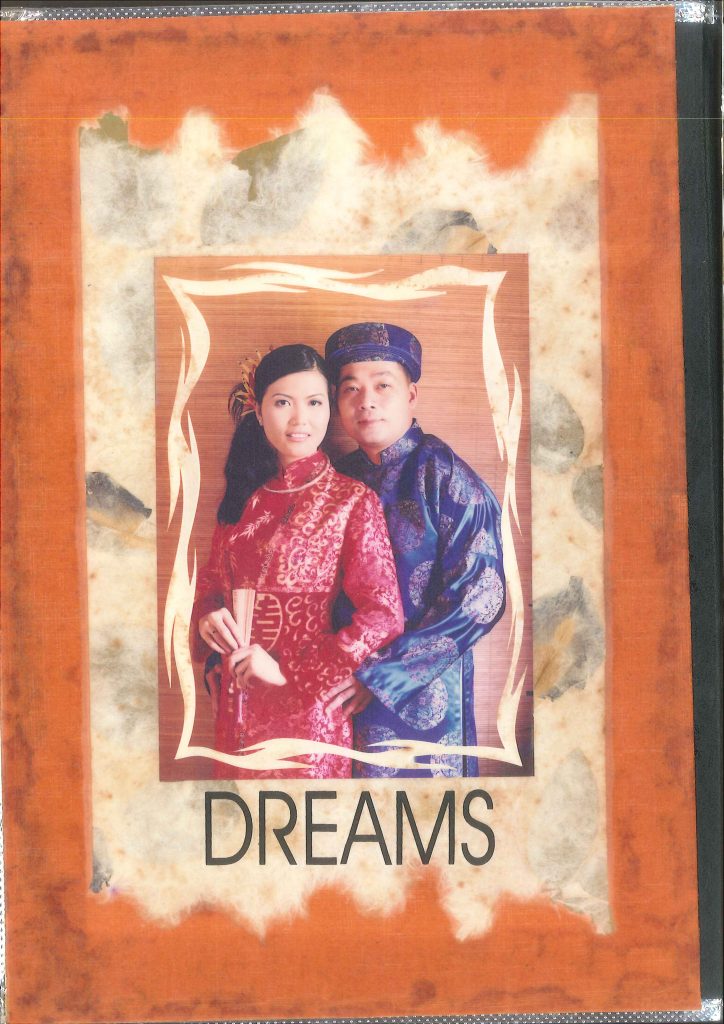
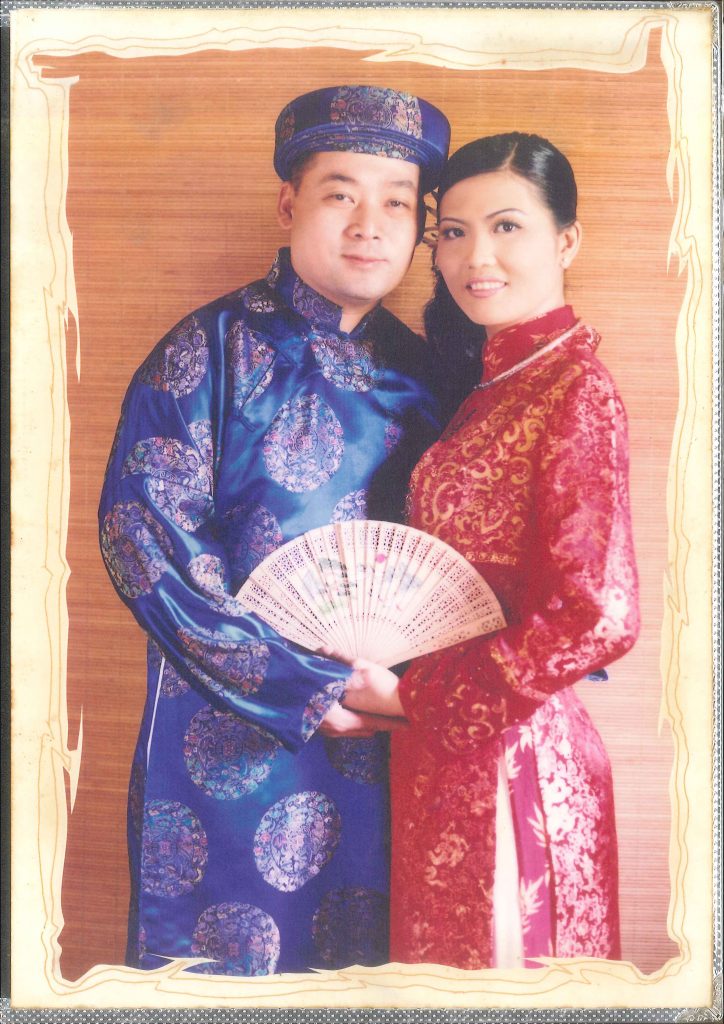
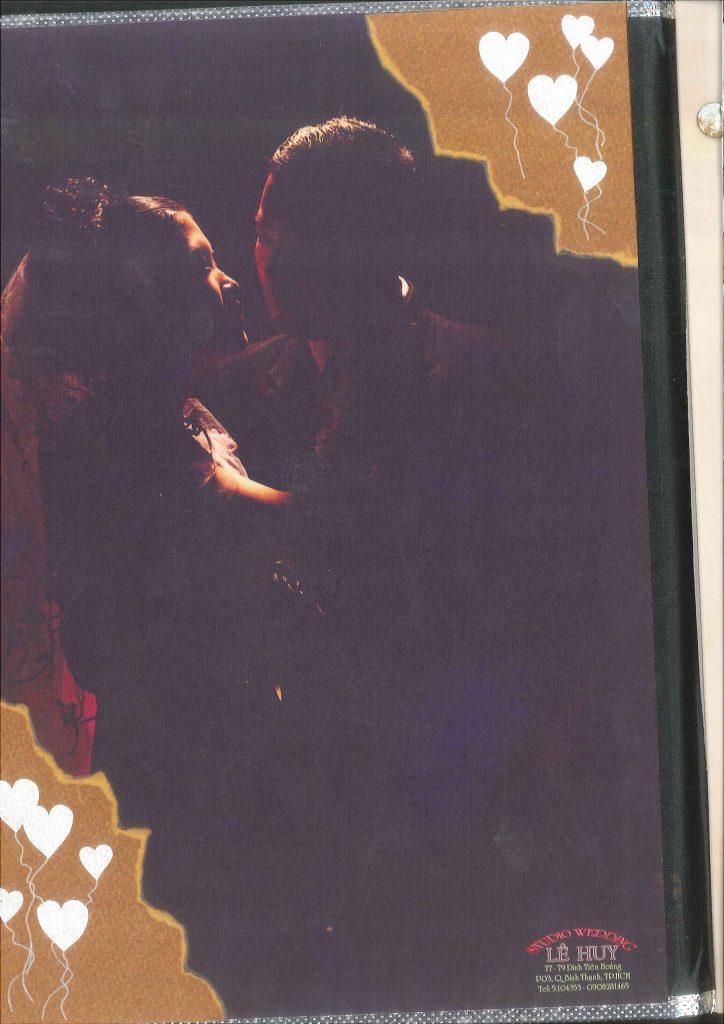
February 21, 2004
A wedding album
April 30, 2004
Mr. Tran,
As I was preparing a lesson on the Vietnam War, or American war as you called it, for my class, I came upon your pictures and journal. I must say that I was drawn into reading your journal by your pictures from your mother. You were a beautiful baby and a handsome young man.
I was disturbed, however, to hear the bitterness and hate that you complain about in others in your own writing. I would like to apologize to you for any injustice that you feel you have received at the hands of Americans. I, too, look at pictures from Vietnam and am deeply disturbed by them. I do think that there was a lot of anger from many Americans toward the Vietnamese people after the war was over. I think that many of our "boys" did not want to be there and in that situation. From what I have learned over the years, many of our young men were traumatized by seeing the deaths of babies and children at the hands of their own people. This trauma turned them into something that could kill without conscience. I do not think that the hate was necessarily with the people of Vietnam but the concept of Vietnam. I also think that it was a long time ago and that the hate is no longer existent. Many of our men have traveled back to Vietnam to see people that they had made friends with so long ago. Many men have gone in search of their wives and loved ones that they were forced to leave when the Army pulled out and they were ordered to go.
I was born a year before the war ended. I do not recall the feelings and only know about them through my parents and history, but I can say that I do not agree with many things done there. However, please do not hate a whole nation because of their government and the government's mistakes. Do not hate all of us because of a few bigots either. Take each and every person as an individual until you find a friend.
From your description of Vietnam, I would hope to visit someday. It sounds truly lovely.
Sincerely and with outstretched hands of friendship,
JLF
A Response to the American Teacher
"I do not think that the hate was necessarily with the people of Vietnam but the concept of Vietnam."
I had refrained from writing a critical response to your email, because you are a teacher like me. But I have finally decided to respond, because you are intelligent, but your writing, as smooth as it is, obfuscates the issue.
By "the concept of Vietnam," do you also mean that Nazi Germany did not hate the Jews—only the concept of Jews as non-Aryan—while it exterminated six million of them? Do you mean the concept of Black people as subhuman, which justified enslaving them? Or the concept of Native Americans as savages, which justified their genocide and the taking of their land?
Everyone knows that nations, races, and peoples are, in some sense, "concepts." The word is not an insight—it is a hiding place. Hiding an act of genocide behind the word "concept" is making an excuse for the act of genocide. When horror is committed against a people, calling the victim a concept obscures the crime rather than explaining it. Whatever was hated—the Vietnamese, the Jews, Black people, Native Americans—people paid the price. The word "concept" is both the reason and the excuse.
August 16, 2007
In Vietnam, especially in Ho Chi Minh City, there seems to be a great demand for international schools. The Vietnamese parents want their children to be enrolled in expensive private international schools, with the most popular ones being the American international schools. The tuition for these international schools is exorbitant, about one thousand U.S. dollars a month.
However, the people in Vietnam are not aware that the U.S. educational system is failing. Due to the No Child Left Behind Act by Congress, elementary and high school students are required to take and pass both the English and math tests for their grade level. In 2005, only 23 percent of the grade 12 students were proficient or passed the math test, and only 35 percent were proficient or passed the English test. (Source: U.S. Department of Education, National Center for Educational Statistics.)
Furthermore, there is an achievement gap between minority and white students. Minority students, such as Black and Hispanic, have lower scores than white students. There are various arguments as to why there is an achievement gap between minority and white students. However, there is evidence that students of color tend to perform better in school if their teachers are of the same race. Therefore, one can reasonably argue that a contributing factor of the achievement gap is the white teachers' inability or unwillingness to identify with the racial and cultural backgrounds of students of color.
Now, we have the facts. First, the U.S. educational system is failing, yet parents in Vietnam are flocking to American international schools so that their children can have an American education. I even saw one parent putting two one-hundred-dollar U.S. bills in an envelope for a school administrator because the school "accepted" her child. Second, most international schools in Vietnam only hire white foreign teachers, even though most of these teachers have no teaching degrees or even college degrees, while Vietnamese-American teachers like myself have a hard time getting a teaching job in Vietnam. A lot of these white teachers think they are superior to the Vietnamese people. They have no interest in anything Vietnamese, except for the women.
August 17, 2007
For my reflections on teaching English in Vietnam, see Teaching in Vietnam.
March 22, 2008
It seems a lot of white English teachers in Ho Chi Minh City don't want the truth to come out. They don't want the Vietnamese people to know that most of them don't have a college degree from an accredited university, and a lot of them have sex with their students. On top of that (no pun intended), they make a ridiculous amount of money teaching English in Vietnam — an amount of money they would be unable to make in their own countries given their educational level.
This week, a white teacher at my school made a photocopy of about half a page of my writing, with one sentence he strongly disagrees with, and handed it out to other white foreign teachers. The sentence that triggered it was: "Just about every white teacher has seduced and sexually exploited their students, even virgins under eighteen years old." Two of the teachers decided to confront me. One entered my classroom while I was teaching and said I shouldn't be a teacher. He threatened to talk to the principal to get me fired. The other called me by a four-letter f-word and threatened to put me in a hospital.
It would be inconceivable that any educated person, who is a teacher, would do that in a classroom in America. If they had done that to me in their own countries, I am sure they would have been fired by the school district or arrested by the police. Such is the white English teachers' disregard for the law in Vietnam. They also seem to forget about the freedom of speech accorded to every individual by the law, in their own countries, as well as in Vietnam.
Anyway, I decided to do a search on the Internet today to find out if anything I wrote about white English teachers in Vietnam is so out of line or so grossly incorrect. I found out about the big brouhaha in Korea with white English teachers bragging on the Internet about how easy it is to get a job teaching English and have sex with Korean women.
I found two of the postings below from a website to be very informative and funny:
William
Posted January 12, 2005 at 5:20 pm | Permalink
I've gotten an MA in Education from a well-known university in the U.S., as well as teaching six years at an inner-city school. There is an inherent process in getting a B.A. and M.A. in Education which weeds out incompetent and ethically unsuitable candidates from becoming an educator/teacher — a six-year process. Moreover, when one applies to a school district, he gets to have his fingerprints taken, FBI background check, etc., etc. As a teacher, I would spend a minimum of 60 hours per week "working" as a teacher — for pay less than what a grocery checker would make.
As a teacher close to gaining his tenure, I was thinking about taking a year off to teach English in Korea. Out of curiosity I frequented a well-known, so-called "teachers" forum, a-hem, Dave's ESL Cafe, for a year or two.
The amount of sleazy and filthy topics had me wonder whether I was actually at a "teacher's" forum. The negativity about Korean culture and the ridiculing of its people were quite common. The frequent posting of topics about having sex with Korean women or some delusional idea that if you are a Caucasian male teacher, you would have no problems having sex with different Korean women every night is probably the main reason why Hagwons are filled with the filthiest of filth from the Western countries. Based on what I learned about Korea, I guess you can't blame these losers for the English teacher problems — the Hagwon system has to take the blame as well.
Of course, this is not to say that there weren't good, competent, and honest teachers; the bad ones tend to make the loudest noise just like in the classroom.
I am not surprised by this type of reaction from the Korean fringe groups. I just wish that Korea implement some type of standard in hiring foreign English teachers, just like Japan — a minimum of an English degree and some teaching experience, or a non-English teaching degree plus a teaching credential.
CH
Posted January 12, 2005 at 6:04 pm | Permalink
A friend of mine who taught English in Japan called these white guys who teach English in Asian countries 2/10s. As in they were 2s in the U.S. They come to Asia and suddenly, they're 10s and they can bag any lady they want.
I'm not a defensive Korean guy who wants to protect his "territory" but a Korean American woman (who happens to date a white guy back in the States). Aside from the fact that these English teachers make creepy Asianphiles in the States seem like sensitive gentlemen, I'm also just shocked, simply shocked that Korean women are attracted to these men. Behold the power of English! I mean I know there is this national obsession with the language, but come on. Get glasses! So many white male English teachers here are such pale pasty sad little sacks. Not to mention they're dumb as rocks and have absolutely no inclination to learn the culture. Oh well — they might be studs for a year but they'll have to return to their home countries someday, where all they'll have is a jar of Vaseline and a subscription to porn sites.
March 23, 2008
Today's journal entry is a public service announcement to all of the schools: English language centers, Vietnamese schools, and international schools, in Vietnam.
An American citizen's criminal record can be easily obtained by any employer, as a condition of employment, especially when it is related to working with children. This can be done by having that individual's fingerprints taken and checked against the FBI database of all convicted criminals in the United States.
In Ho Chi Minh City, the IOM office (International Organization for Migration) will take an individual's fingerprints and have the prints processed by the FBI. I would request the IOM office directly mail the fingerprints, instead of having the individual mail the fingerprints to the FBI, and have the results sent to the school directly. The cost of having the fingerprints taken and processed is fifty U.S. dollars. The address of the IOM office is:
IOM Sub-Office in Ho Chi Minh City
1B Pham Ngoc Thach Street
District 1
Ho Chi Minh City, Vietnam
I am sure the process would be similar for citizens of other countries. The school can contact their embassy directly for further information.
One can also check to see if a college in the United States and Canada is an accredited college, or a phony college, at www.chea.org. For accreditation in other countries, their embassy would also be able to help the school find out if a college in their country is accredited or not.
To find out whether an individual's college diploma is real or not, one can check at National Student Clearinghouse to verify degree and enrollment. If a college is not listed on this website, one can contact the Registrar's Office of the college directly to verify a college degree and enrollment.
March 26, 2008
I recently read about myself on an electronic bulletin board for foreign English teachers in Vietnam. A guy by the name of Jerry wrote the first posting about my website, asking them to read only one page of the website, to try to stir up problems for me. After that, I am amazed at the number of threats and negative postings about me. The following is one of the postings by "saigoncowboy."
saigoncowboy
Joined: 16 Jun 2007
Posts: 47
Post Posted: Mar Tue 25, 2008 9:59 am
The web page has been deleted and new material has been added. What is disturbing is that the new material is just as damning. This guy isn't just shooting himself in the foot but in the head.
I feel sorry for him. He is lost. Saigon is not a good place to be lost.
The following is a paste from his current page: "One week later, four policemen and a community mental health counselor showed up at my apartment. They said the counselor at Evergreen told them I made a threat to shoot school children. They delivered a 'No Trespassing' order and told me I am banned from the Evergreen State College, and the Olympia School District, and all of the surrounding school districts as well.
The Olympia newspaper ran a story about me the next day about the 'threat' I made. The Olympia School District sent letters to all of the parents about me. They circulated my name and picture, along with what kind of car I drove, to all of the schools. The parents demanded I'd be arrested. The community mental health counselor told me to be careful, and that my life was in danger."
It seems that this writer, "saigoncowboy," is trying to portray me as being mentally unstable, by quoting something I wrote out of context, without giving the readers the benefit of reading my whole website and making their own opinions. Quoting someone out of context is simply being dishonest — intellectually dishonest.
Even the Buddha, one of the greatest beings that has ever walked on this Earth, could be portrayed as being mentally unstable, if I quote one sentence from one of his sermons out of context. Furthermore, the Community Mental Health Therapist would have involuntarily committed me to a mental hospital if I was mentally unstable, and I could never have taught again in the United States.
Secondly, this writer, "saigoncowboy," is a liar. He wrote that the material he quoted was "new material has been added." He doesn't know that my website is one of the websites that is archived by www.archive.org, an internet archive in the form of a digital library of internet sites. The passage he quoted existed from the beginning of my website in 2001.
Finally, one white English teacher, "magic8ball," tried to defend me, but he was threatened and intimidated by "xyz."
December 11, 2010
The PISA (Programme for International Student Assessment) test results were released today. Vietnam ranked 17th out of 65 countries in math, 8th in science, and 12th in reading. This is a remarkable achievement for a developing country with limited resources.
In contrast, the United States ranked 36th in math, 23rd in science, and 17th in reading. Despite spending more per student than any other country, the U.S. lags behind many nations in educational outcomes.
August 30, 2026
"An unexamined life is not worth living."
— Socrates
My final journal entry.